
Partner Churches and the C1 Strategy
For Those Called to Go
Global mission is most effective when churches work together with clarity, trust, and shared responsibility. At Converge Rocky Mountain, our Local Global Initiative is built on partnership. The C1 Strategy exists to help churches collaborate well, steward resources wisely, and sustain long term impact around the world.
How the Partnership Structure Works
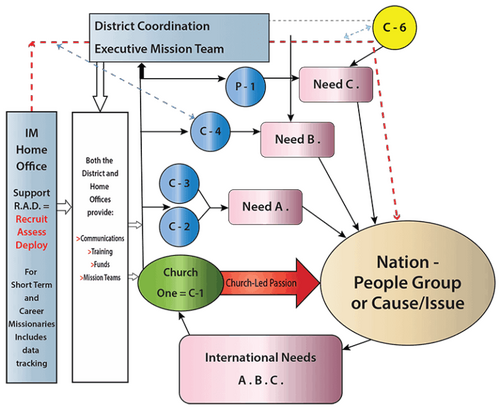
Each global partnership includes a mix of churches and ministry organizations working together toward a shared mission.
Church partners are identified by the letter C
Para church or ministry partners are identified by the letter P
Levels of responsibility are identified by numbers one through five. These numbers do not reflect church size or importance. They reflect capacity, calling, and level of responsibility within a specific project.
A C1 church serves as the lead church for a global partnership. This means the church has the vision, commitment, and capacity to see the project through over time, even if other partners change or step away. Churches identified as C2 through C5 share in the work with decreasing levels of responsibility, while still playing meaningful and necessary roles in the partnership.
This structure creates clarity, sustainability, and shared ownership while allowing churches of all sizes to participate in global mission.
Church partners are identified by the letter C
Para church or ministry partners are identified by the letter P
Levels of responsibility are identified by numbers one through five. These numbers do not reflect church size or importance. They reflect capacity, calling, and level of responsibility within a specific project.
A C1 church serves as the lead church for a global partnership. This means the church has the vision, commitment, and capacity to see the project through over time, even if other partners change or step away. Churches identified as C2 through C5 share in the work with decreasing levels of responsibility, while still playing meaningful and necessary roles in the partnership.
This structure creates clarity, sustainability, and shared ownership while allowing churches of all sizes to participate in global mission.
The C1 Strategy in Action
The C1 Strategy unfolds in three key phases, helping partnerships move from vision to long term impact.
Discovery
This phase focuses on prayerful discernment and alignment. Churches explore and evaluate potential global partnership sites, identify shared passions among churches, and begin building relationships with national leaders. During this phase, potential missionary and ministry partners are also identified to ensure alignment and support.
Preparation
Once a partnership direction is confirmed, churches move into preparation. This includes site visits to assess logistics, defining project needs, identifying resources, and recruiting prayer teams. Churches work together to develop projects, schedule trips, and recruit participants. Training and assessment ensure teams are spiritually prepared, culturally aware, and missionally aligned.
Project Engagement
This phase brings the partnership to life. Prayer teams are activated, projects are promoted, and plans are finalized in collaboration with national leaders. Churches raise funds, prepare teams, and carry out trips. After each project, leaders review outcomes, gather feedback, and strengthen the partnership through ongoing coaching and evaluation. The goal is not a one time trip, but a growing, healthy, long term relationship.
Why This Strategy Matters
The C1 Strategy allows churches to engage globally in ways that are relational, sustainable, and effective. It reduces duplication, strengthens collaboration, and ensures that global work is led in partnership with national leaders rather than imposed from the outside.
Churches of any size can participate, contribute, and grow through these partnerships. While one church may lead, every partner plays a vital role in advancing the gospel and serving communities around the world.
Churches of any size can participate, contribute, and grow through these partnerships. While one church may lead, every partner plays a vital role in advancing the gospel and serving communities around the world.
Posted in Church Missions